Top 10 Scrap Yard Machines for Optimal Recycling Solutions?
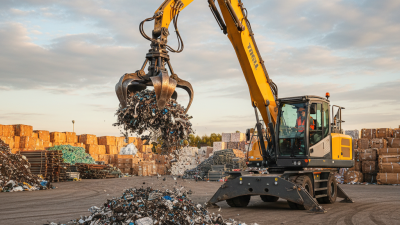
In the evolving landscape of recycling, the role of Scrap Yard Machines has become increasingly crucial. According to the latest industry report from the Bureau of International Recycling, global metal recycling rates have surged by 12% in the last five years. This growth emphasizes the necessity for efficient machinery that can streamline operations and improve profitability in scrap yards.
Effective scrap yard solutions not only enhance productivity but also minimize environmental impact. Machinery like shears, balers, and shredders are essential. They transform scrap metal into reusable materials. Yet, many yards still rely on outdated equipment, leading to lower efficiency. A recent study by the Recycling Equipment Manufacturers Association showed that modern machines could boost processing speed by up to 40%.
Choosing the right Scrap Yard Machine involves more than just price. Factors like durability, energy efficiency, and repair costs matter significantly. Investment in advanced technology is beneficial, yet it requires careful consideration. A misstep in purchasing could lead to operational setbacks. Understanding these details is critical for profit maximization and sustainable practices in the recycling industry.
Overview of Scrap Yard Machines and Their Importance
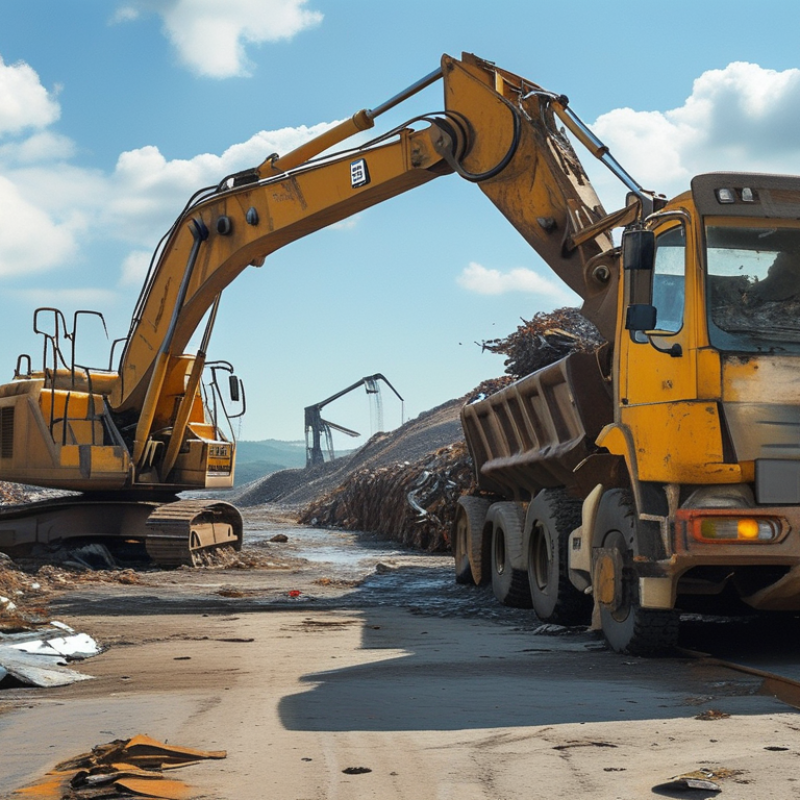
In the realm of recycling, scrap yard machines play a vital role. These machines streamline the collection and processing of scrap materials, enhancing efficiency and sustainability. Their importance cannot be overstated; they help reduce waste and support the circular economy. Optimizing recycling operations requires understanding the various types of machines available and their specific functions.
When selecting machines for your scrap yard, consider their capabilities. Compactors, shredders, and balers each serve unique purposes. Compactors compress materials, maximizing storage space. Shredders break down cumbersome items into manageable pieces. Balers create tightly bound bales for easy transport. This selection process is crucial for effective waste management.
Tip: Regular maintenance of equipment prevents breakdowns and prolongs life. Schedule inspections to ensure machines operate at peak efficiency.
While developing your recycling solutions, reflect on your choices. Not all machines are perfect fits for every scrap yard. Analyze the material types you handle; this will guide your investment decisions.
Tip: Engage with industry forums to stay informed. Networking can provide insights into machine performance and user experiences. Adaptation and learning are key to successful recycling.
Types of Scrap Yard Equipment Used in Recycling Processes
In the recycling industry, various machines play a crucial role in optimizing scrap yard operations. Equipment like shredders and balers are essential. Shredders break down large materials into manageable pieces. This process is vital for recycling efficiency, yet it can also produce excess dust. Operators may need to implement dust control systems.
Another key machine is the conveyor belt system. It transports materials seamlessly within a scrap yard. However, maintaining these systems can be challenging. Wear and tear are common, leading to operational delays. Regular inspections and adjustments are necessary to keep everything running smoothly.
Additionally, magnetic separators help in sorting ferrous materials from non-ferrous ones. This equipment increases sorting efficiency but requires proper calibration. If not correctly set, it could lead to contamination, affecting overall recycling quality. Proper training for operators is essential to minimize mistakes. Effective training reduces errors and enhances productivity.
Key Features to Look for in Recycling Machinery
When exploring recycling machinery, key features can greatly enhance efficiency. Look for machines with high processing capacity. A robust engine ensures consistent performance. Durability is crucial. Machines endure heavy use, and stronger materials extend their lifespan.
One vital feature is flexibility. Machines should process various materials, from metals to plastics. This adaptability increases your recycling range. It's also important to consider energy efficiency. Machines that consume less energy lower operating costs over time.
Tips: Regular maintenance is essential. It keeps machines running smoothly and prevents costly breakdowns. Additionally, invest in training for operators. Proper training maximizes the machines' capabilities and reduces accidents. While these machines simplify recycling, operators should be mindful of safety protocols. Overlooking this could lead to serious issues.
Top 10 Scrap Yard Machines for Optimal Recycling Solutions
This chart illustrates the key features of the top 10 scrap yard machines for optimal recycling solutions. The machines are evaluated based on their efficiency, capacity, versatility, and ease of use.
Top Machines for Efficient Scrap Metal Processing
Efficient scrap metal processing is vital for a sustainable recycling industry. Numerous machines can enhance this process, each designed for specific tasks. For instance, shears can cut heavy metals into manageable sizes. These machines save time and labor. However, operational costs can be high.
Shredders are another essential tool. They reduce metal debris quickly, creating smaller pieces suitable for further processing. The choice of a shredder depends on the type of scrap material. It’s important to select a model that fits your needs. You might face challenges in choosing the right machine, as features vary significantly.
Balers are also crucial in separating and compacting materials. They help reduce space and increase transport efficiency. However, they must be maintained regularly to operate effectively. Understanding the technology behind these machines will improve their lifespan. Consider the skills of your operators. Training plays a key role in ensuring optimal performance.
Innovative Technologies in Scrap Yard Equipment for Sustainability
Innovative technologies are transforming the scrap yard industry. New machines are designed to streamline processes and improve recycling efficiency. These advancements help reduce waste and lower carbon footprints.
For instance, automated sorting systems can quickly differentiate metals from plastics. This boosts productivity and minimizes human error.
Safety is also a major focus. Advanced machinery includes enhanced safety features to prevent accidents. Operators are better protected while maintaining high efficiency.
Despite these improvements, some challenges remain. For example, adapting to new technology can be expensive and requires training.
Moreover, the environmental impact of scrap yards is under scrutiny. While machines promote recycling, they still consume energy and resources. It's crucial to balance innovation with sustainability. Regular assessments of machine performance can identify areas for improvement. Striving for optimal recycling solutions is not only beneficial but necessary for a sustainable future.