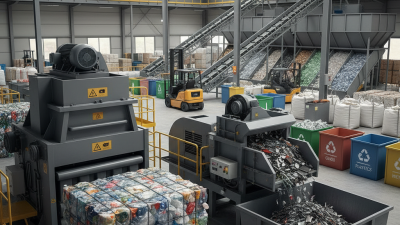
Top 5 Recycling Center Equipment You Need for Efficient Operations?
In today’s rapidly evolving waste management landscape, having the right Recycling Center Equipment is critical for success. Efficient operations not only help reduce environmental impact but also enhance profitability. Choosing the best equipment can be challenging. The right tools improve sorting, processing, and overall productivity.
Investing in advanced machinery is essential. From balers to shredders, each piece has a unique role. However, many facilities overlook the significance of maintenance. Neglecting regular checks may lead to downtime and inefficiencies. Ensuring your equipment is in top shape is a shared responsibility.
Moreover, training staff on equipment usage is vital. Even the best machines require skilled operators. Adequate training minimizes errors and increases safety. While one might think cost-cutting is key, investing in quality machinery pays off. Efficient Recycling Center Equipment can lead to long-term gains and create a sustainable operation.
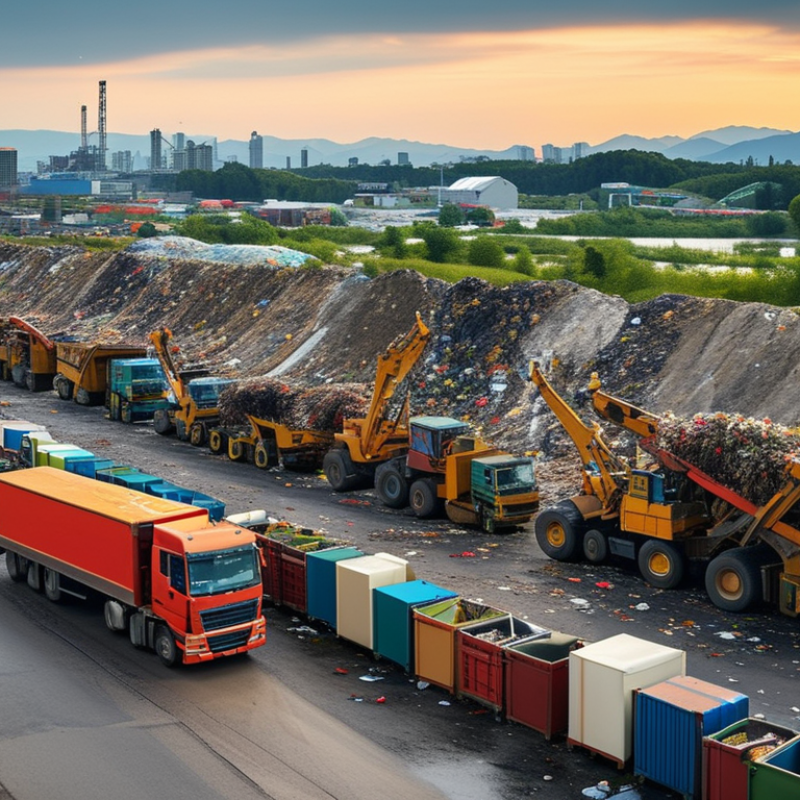
Essential Machinery for Efficient Recycling Center Operations
Effective recycling operations rely heavily on the right machinery. Investing in essential equipment can significantly improve efficiency. For instance, shredders play a vital role in breaking down materials into manageable sizes. According to the Institute of Scrap Recycling Industries, shredders can increase processing speed by up to 40%. This speed not only enhances workflow but also helps in better material separation.
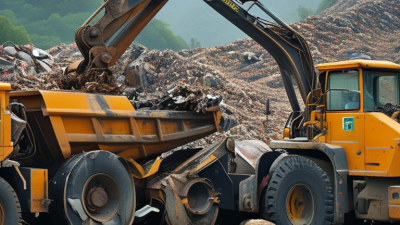
Other critical machinery includes balers. Balers compact recyclables into bales, making transportation easier and more cost-effective. The U.S. Environmental Protection Agency reports that using balers can increase storage density by up to 90%. This means less space is wasted in recycling centers, allowing for more materials to be processed. Forklifts are also integral, aiding in the movement of heavy materials. Their efficiency can affect the overall output of a recycling center.
While machinery is key, regular maintenance and training are often overlooked. Operators must be well-trained to maximize efficiency. Furthermore, technology advances quickly, and recycling centers must adapt. Adopting new techniques can improve recovery rates. Continuous reflection on operations is essential to identify potential improvements in processes and equipment. This ongoing assessment helps ensure that recycling centers remain competitive and effective.
Types of Compactors and Their Role in Optimizing Waste Processing
Compactors play a vital role in waste processing at recycling centers. They reduce the volume of waste, optimizing space and making transportation easier. Various types of compactors are available, each designed for specific materials. An appropriately chosen compactor enhances the efficiency of operations, ensuring minimal disruption and maximum productivity.
Stationary compactors are a common choice for heavy-duty applications. They handle materials like cardboard and plastic efficiently. These machines compress waste into dense bales. This results in more manageable sizes for transportation.
On the other hand, hydraulic compactors are versatile tools. They are suitable for both dry and wet waste. Their ability to adapt makes them valuable in diverse settings.
With many options, it’s crucial to assess the unique needs of your recycling center. An improperly matched compactor can lead to inefficiencies. It may not process the waste correctly, causing delays. Regular maintenance can also be overlooked, leading to breakdowns. Understanding the specific requirements of materials will guide better equipment choices for smoother operations.
Importance of Shredders in Material Size Reduction for Recycling
Shredders play a crucial role in recycling centers, especially for material size reduction. They help to break down large items into manageable pieces, making it easier to sort and process recyclable materials. According to a report from the Environmental Protection Agency, approximately 75% of the waste generated is recyclable, but actual recycling rates remain low. Shredders significantly impact these rates by facilitating the handling of various materials such as plastics, metals, and paper.
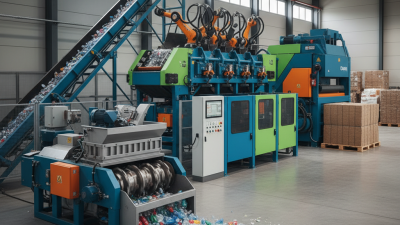
Efficient shredding systems can enhance operational efficiency by streamlining material processing. Utilizing advanced shredders can reduce the size of waste by up to 90%. This reduction not only saves space in recycling facilities but also optimizes transportation logistics. Despite their benefits, some centers still struggle with outdated equipment that leads to inefficiencies. Maintaining these machines is vital, as improper handling can lead to increased downtime and operational costs.
Moreover, implementing proper shredding techniques is essential. Some operators may overlook the importance of blade types and settings, leading to suboptimal results. Materials that are not correctly shredded can clog systems and slow down production. Recycling centers must be proactive in training staff to use shredders effectively and to monitor their performance regularly. Achieving efficiency in recycling operations is a continuous journey requiring attention to detail and adaptability.
The Function of Balers in Streamlining Recyclable Material Handling
Balers play a crucial role in the world of recycling. They streamline the handling of recyclable materials, making operations more efficient. By compressing waste into manageable bales, balers optimize storage space. This is particularly important for facilities with limited area. When these bales are transported, it reduces logistical costs significantly.
However, not all balers are designed equally. Various models operate at different capacities. Some may struggle with certain types of materials. Facilities must consider the specific needs of their operations. Proper training for staff is also essential. Without it, even the best equipment can lead to errors and inefficiencies.
Investing in a baler isn't just about purchasing equipment; it’s about enhancing workflow. Recycling centers often face challenges in handling mixed materials. A reliable baler can mitigate these issues. Regular maintenance is also needed to ensure ongoing efficiency. Observing these practices can lead to more effective recycling efforts overall.
Utilizing Conveyors for Efficient Movement of Recyclables in Facilities
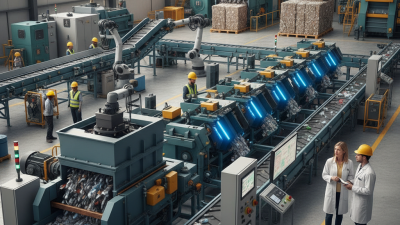
In recycling facilities, conveyors play a crucial role in improving operational efficiency. These systems transport recyclables seamlessly through the sorting and processing stages. By using conveyors, facilities minimize manual handling, which reduces the risk of injuries. Efficient movement of items also accelerates processing times.
Choosing the right type of conveyor can be a challenge. It requires understanding the flow of materials and the specific space constraints of a facility. Overlooking the dimensions or load capacity can lead to bottlenecks. Regular maintenance is necessary to prevent downtimes caused by equipment failure. Each facility must assess its unique needs to select the appropriate conveyor system.
Training staff on the operation of conveyor systems is essential. This ensures that everyone understands how to use the equipment safely and effectively. While conveyors greatly reduce labor costs, staff must be vigilant. Accidents can still occur if proper protocols are not followed. Learning from past mistakes can help improve safety practices and operational reliability.