Top Demolition Attachments for Efficient Construction Projects
In the fast-paced world of construction, efficiency is paramount, and one of the critical components that ensure projects run smoothly is the use of effective demolition attachments. As emphasized by industry expert John Matthews, a leading voice in the field of demolition technology, "Choosing the right demolition attachments not only speeds up the project timeline but also enhances safety and precision on site." With the evolving demands of modern construction, the significance of utilizing specialized attachments has never been more pronounced.
Demolition attachments are essential tools designed to streamline the process of tearing down structures, allowing construction teams to execute their tasks with greater accuracy and reduced labor costs. Whether it's hydraulic shears, crushers, or pulverizers, these attachments play a pivotal role in enabling contractors to handle various materials efficiently. The integration of advanced demolition attachments not only improves the demolition phase but also sets the foundation for subsequent construction processes, making them an indispensable asset for any successful project.
As we explore the top demolition attachments available today, understanding their functionalities and benefits will equip construction professionals with the insights needed to make informed decisions. By leveraging these tools, teams can maximize productivity, ensuring that construction projects are completed on time and within budget.
Understanding Demolition Attachments in Construction
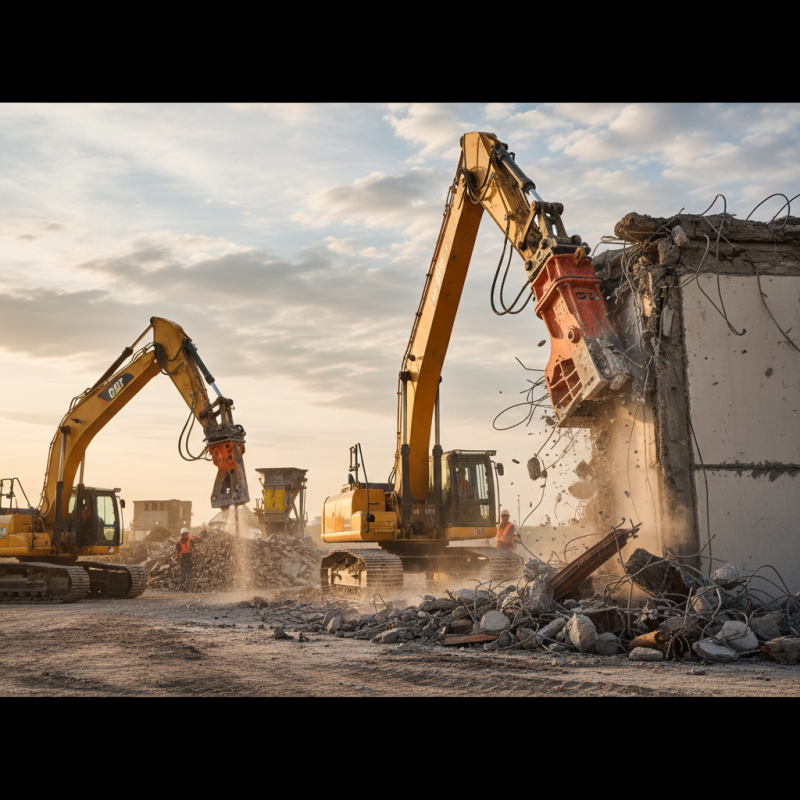
Demolition attachments play a crucial role in modern construction projects, significantly enhancing the efficiency and safety of demolition operations. These specialized tools, which range from hydraulic shears to concrete pulverizers, enable operators to break down structures swiftly while minimizing debris and reducing the risk of structural collapse. According to a report by the Construction Industry Institute, the use of advanced demolition attachments can increase productivity by 30% compared to traditional demolition methods. This efficiency not only saves time but also helps contractors adhere to tight project schedules.
Understanding how these attachments function is essential for maximizing their potential. For instance, hydraulic shears use powerful jaws to cut through metal and concrete with precision, making them ideal for demolishing steel-framed structures. Similarly, concrete pulverizers are designed to crush concrete into manageable pieces, facilitating easier transportation and recycling. According to the National Demolition Association, effective utilization of such attachments can lead to a 40% reduction in waste disposal costs, underscoring their economic advantage as well. As construction projects continue to evolve towards sustainability, the incorporation of innovative demolition attachments can significantly contribute to reducing environmental impact while optimizing operational workflows.
Key Types of Demolition Attachments for Various Projects
Demolition attachments are essential tools in the construction industry, enabling efficient dismantling and site preparation. These attachments come in various designs, each tailored to specific demolition tasks. A primary type is the hydraulic breaker, which effectively breaks up concrete and other hard materials, making it ideal for large-scale demolition projects. Its powerful impact helps speed up the dismantling process, reducing labor time and associated costs.
Another critical category includes shears, used mainly for cutting through heavy metals and structural steel. These attachments can maneuver in tight spaces and are perfect for selective demolition, where only certain sections of a building are taken down. Additionally, grapples are popular for handling debris, allowing for easy lifting and transportation of materials once a structure has been demolished. Together, these attachments enhance productivity and precision, making them indispensable for contractors looking to streamline their demolition projects.
Top Demolition Attachments for Efficient Construction Projects
This chart illustrates the efficiency impact of different types of demolition attachments used in construction projects.
Benefits of Using Specialized Demolition Equipment
The use of specialized demolition equipment offers numerous advantages that enhance the efficiency and safety of construction projects. One of the primary benefits is improved productivity. Heavy-duty attachments, such as hydraulic breakers and grapples, are designed to handle tough materials and large volumes of debris, allowing teams to complete their tasks faster. This streamlining reduces project timelines and helps in managing costs effectively. Moreover, these specialized tools can operate in tight spaces, making them ideal for urban demolition sites where traditional methods may not be feasible.
In addition to efficiency, the use of specialized demolition attachments significantly enhances safety on construction sites. With advancements in technology, modern demolition equipment is engineered to minimize risks associated with traditional demolition methods. Features such as dust suppression systems, vibration dampening, and precision control help mitigate potential hazards for workers and nearby structures. This focus on safety not only protects personnel but also ensures compliance with industry regulations, fostering a safer working environment and reducing liability for construction companies.
Factors to Consider When Choosing Demolition Attachments
When selecting demolition attachments for construction projects, several key factors come into play that can significantly impact efficiency and effectiveness. Firstly, the type of material being demolished is crucial; different attachments excel at handling various materials, ranging from concrete and steel to wood. According to a recent report from the Construction Industry Institute, the choice of the right attachment can improve demolition speed by up to 40%, which translates to substantial cost savings.
Another important consideration is the hydraulic capacity of the machinery. Higher hydraulic flow rates can enhance the performance of demolition attachments, enabling them to operate more consequentially. A recent survey indicated that construction teams utilizing appropriately matched hydraulic systems reported a 25% increase in productivity during demolition tasks. This underscores the importance of ensuring that the attachment is compatible with the machinery to maximize operational efficiency.
**Tips:** Before finalizing any attachment purchase, consult with industry experts or conduct a thorough review of performance data specific to your project’s needs. Additionally, examining the adaptability of attachments to different tasks can also be beneficial, allowing for more versatile use throughout the project lifespan. Selecting the right attachment not only streamlines the demolition process but also contributes significantly to overall project timelines and budget adherence.
Top Demolition Attachments for Efficient Construction Projects - Factors to Consider When Choosing Demolition Attachments
| Attachment Type |
Weight (lbs) |
Impact Force (lbs) |
Ideal Machine Size |
Application |
| Hydraulic Hammer |
800 |
5,000 |
10-20 tons |
Rock/Concrete Breaking |
| Concrete Crusher |
1,200 |
10,000 |
15-25 tons |
Concrete Recycling |
| Multi-Processor |
1,500 |
12,000 |
20-30 tons |
Demolition/Scrap Handling |
| Shear Attachment |
1,000 |
8,000 |
15-25 tons |
Steel Cutting |
| Pulverizer |
1,800 |
15,000 |
25-35 tons |
Concrete Processing |
Best Practices for Maintaining Demolition Tools in the Field
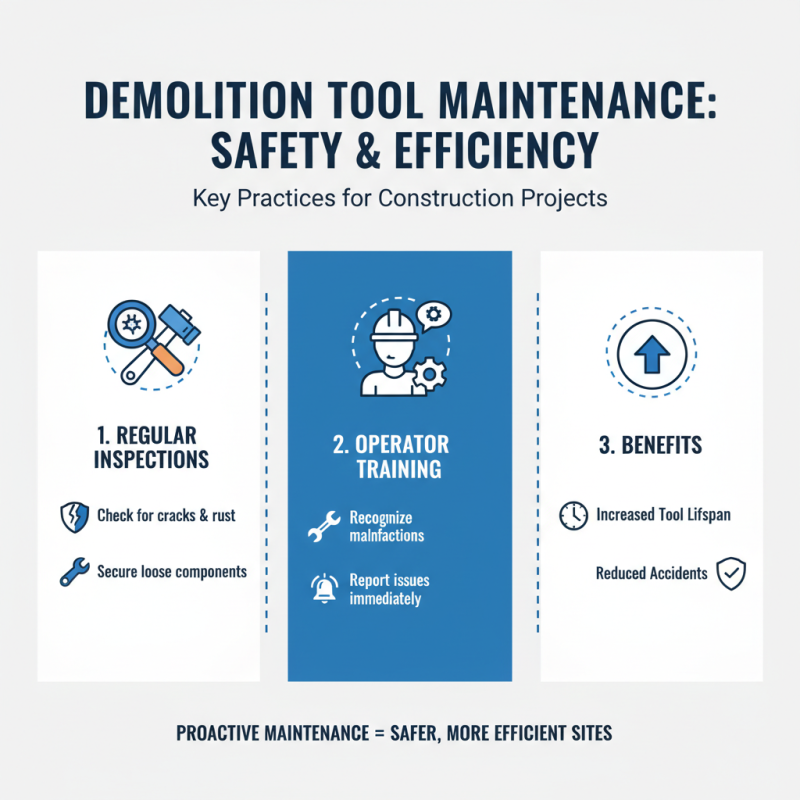
Maintaining demolition tools in the field is crucial for ensuring both safety and efficiency on construction projects. Regular inspections should be performed to identify any signs of wear and tear, such as cracks, rust, or loose components. Operators should be trained to recognize when equipment is not functioning optimally and to report issues immediately. This proactive approach not only extends the lifespan of the tools but also minimizes the risk of accidents that could arise from equipment malfunction.
In addition to inspections, proper cleaning and lubrication of demolition attachments are essential practices that should be integrated into daily routine maintenance. After each use, tools should be cleaned to remove debris that could hinder performance. Lubricating moving parts prevents excessive wear and keeps components operating smoothly, which can ultimately lead to greater efficiency and less downtime. Routine maintenance schedules can be established to ensure that all tools are serviced consistently, fostering a culture of care and diligence among the operators, ultimately leading to more successful demolition tasks.