What is Scrap Yard Equipment and How Does it Work?
In the ever-evolving domain of recycling, "Scrap Yard Equipment" plays a vital role. According to the Recycling Industry’s 2022 report, the global market for scrap yard machinery is projected to exceed $10 billion by 2025, highlighting its significance. Industry experts emphasize the necessity of advanced equipment in boosting efficiencies and safety measures at scrap yards.
John Thompson, a renowned expert in waste management, states, "The right scrap yard equipment can transform the entire recycling process." This insight underscores the impact of proper machinery on the operational dynamics of scrap yards. Machinery such as shears, balers, and shredders streamline the handling of materials, making the recycling process faster and more efficient.
Yet, many yards still grapple with outdated machines, limiting their potential. Some operators hesitate to invest in new technology, fearing the initial costs. However, these outdated practices can impede profitability and sustainability. A shift towards modern "Scrap Yard Equipment" is critical for future growth and success in the recycling industry.
Understanding Scrap Yard Equipment: An Overview
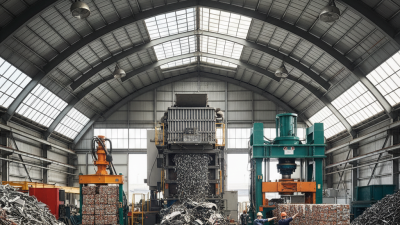
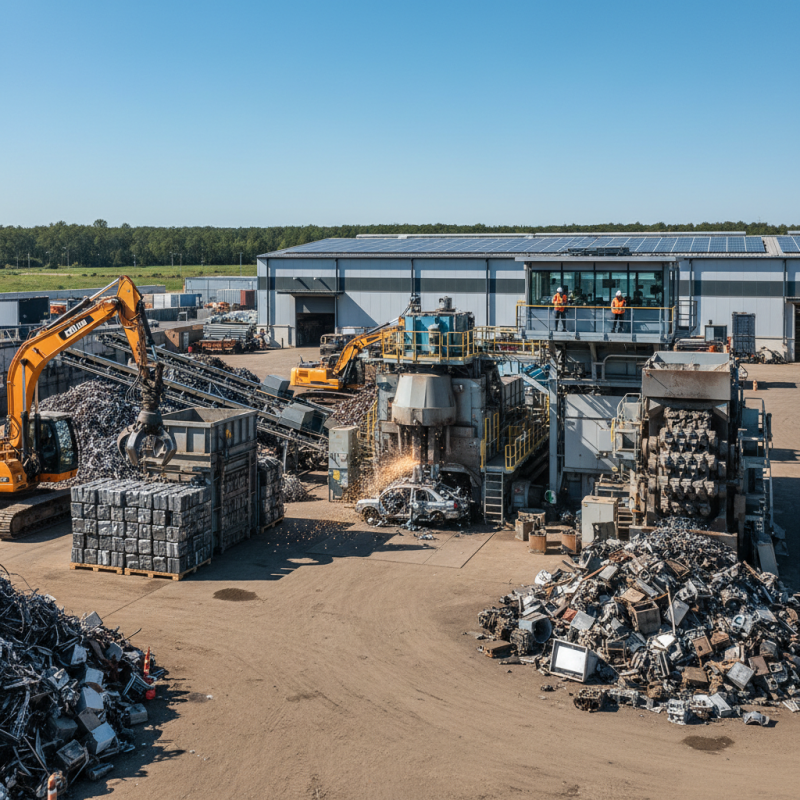
Scrap yard equipment plays a vital role in the recycling industry. It includes various machines designed to process metals and other materials. These machines help in sorting, shredding, and baling scrap for resale. They are essential for efficiency and safety in scrap yards.
Common equipment found in scrap yards includes hydraulic shears, balers, and conveyor belts. Hydraulic shears cut through thick metal with ease. Balers compact materials into manageable bales. Conveyor belts move materials quickly from one station to another. The right machinery can significantly speed up operations.
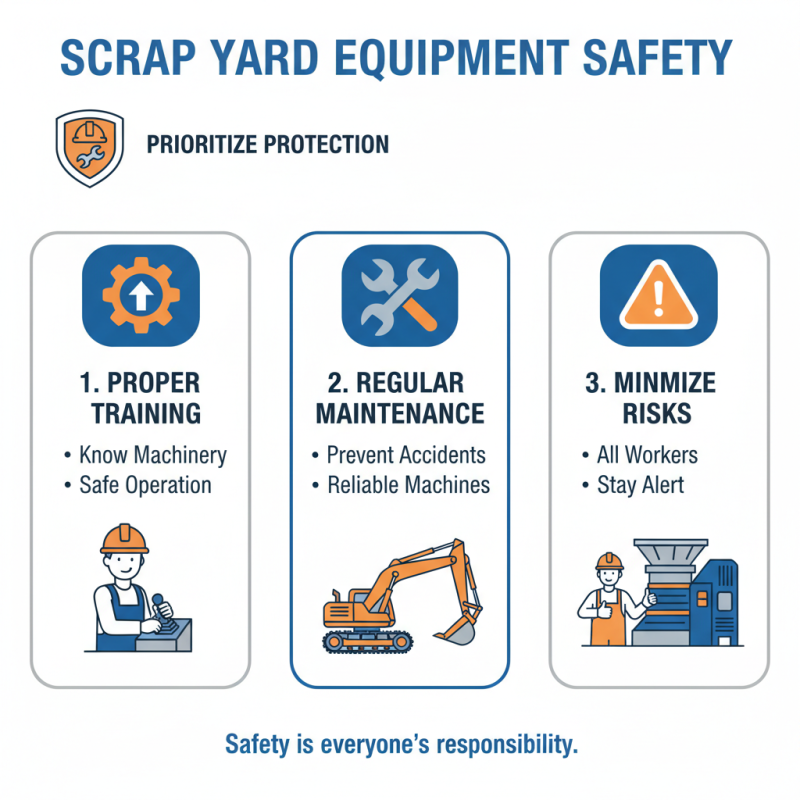
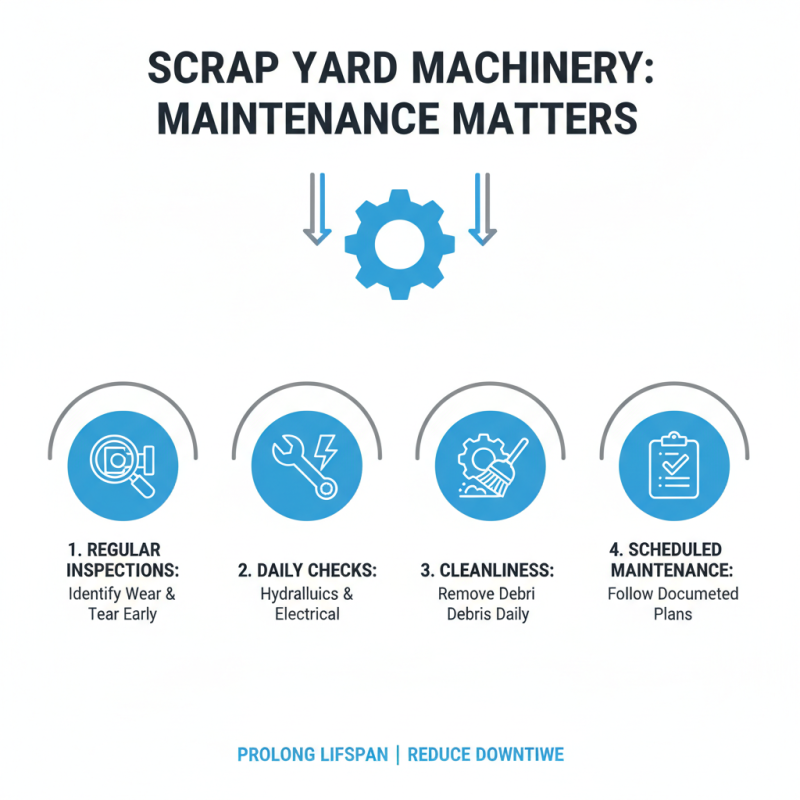
Maintenance of this equipment is crucial. Neglect can lead to breakdowns and safety hazards. Operators need training to use the machinery effectively. Even minor mistakes can result in accidents. Improving training programs could enhance safety and efficiency in the long run. Each piece of equipment has its strengths and weaknesses. Understanding them can lead to better decision-making in scrap yard management.
Types of Equipment Used in Scrap Yards
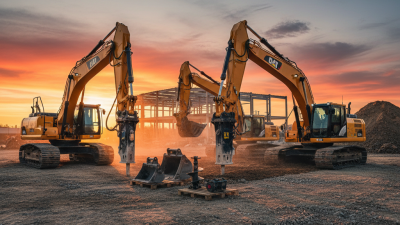
Scrap yards thrive on various equipment to process metals and other recyclable materials. One essential type of equipment is the metal shear. It cuts large pieces of metal into manageable sizes. This makes transportation and further processing easier.
Another vital tool is the baler. Balers compress materials into compact bales. This reduces storage space and enhances efficiency. Extensive use of these balers can lead to wear and tear, increasing maintenance costs. Always inspect balers regularly for performance issues.
Forklifts are also common in scrap yards. They help move materials quickly and safely. However, mishandling forklifts can be a hazard. Operators should complete thorough training to avoid accidents.
Tip:
Regular training for all operators can reduce the chances of misuse. Equipment like cranes should also be used with caution. Ensure your team is familiar with load limits and safety protocols. This keeps everyone safe while maximizing productivity.
How Scrap Yard Equipment Operates
Scrap yard equipment plays a vital role in recycling materials. It helps to process and manage scrap metal, automotive parts, and other discarded items. Each piece of equipment has specific functions. For instance, shredders break down large materials into smaller bits. This makes them easier to transport and recycle.
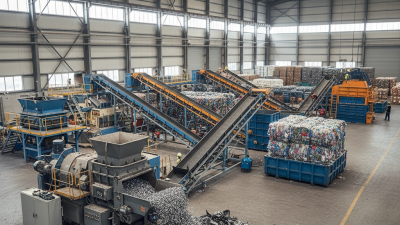
Various machines work together to streamline operations in a scrap yard. Balers compact materials for shipping. Conveyors move scrap from one point to another. Each machine operates on mechanical principles, relying on energy and motion. However, maintaining this equipment can be challenging. Regular wear and tear requires constant attention, as failure to repair can lead to operational delays.
Workers must also ensure safety while using these machines. Risks are present, especially with heavy equipment and sharp materials. Training is essential. Continuous learning is necessary for operational efficiency. Each operator must be aware of their surroundings and proactive in identifying potential hazards. This reality emphasizes the importance of routine checks and mindful operation.
What is Scrap Yard Equipment and How Does it Work?
| Equipment Type |
Function |
Operating Mechanism |
Key Features |
| Forklift |
Transporting scrap materials |
Uses hydraulic lifting for load movement |
Maneuverable, adjustable forks |
| Shear |
Cutting metal scrap |
Hydraulic pressure to cut through materials |
High cutting force, safety features |
| Baler |
Compressing scrap for storage |
Mechanically compacts materials into bales |
Efficient space usage, automatic tying |
| Magnet |
Lifting ferrous metals |
Electromagnetic force to lift materials |
Powerful lifting capacity, easy operation |
| Granulator |
Shredding scrap into smaller pieces |
Rotating blades to reduce size |
Adjustable size output, durable design |