10 Essential Tips for Operating a Material Handler Machine Efficiently
Operating a Material Handler Machine efficiently is crucial for productivity and safety. When used properly, these machines can enhance workflow and reduce manual labor. However, many operators overlook key strategies that maximize efficiency.
Understanding the unique features of the Material Handler Machine is essential. It is vital to be aware of the machine's capabilities and limitations. Operators should pay close attention to the load limits and the terrain conditions. Regular checks on the machine’s condition can prevent unexpected breakdowns. These practices not only boost efficiency but also promote a safer working environment.
However, there are common mistakes made by operators. Some may neglect to follow safety protocols or fail to maintain the machine properly. This can lead to accidents and frequent downtime. Reflecting on past experiences can greatly improve future performance. A commitment to continual learning and reflection is necessary for mastering the use of a Material Handler Machine.
Understanding the Basics of Material Handler Machines
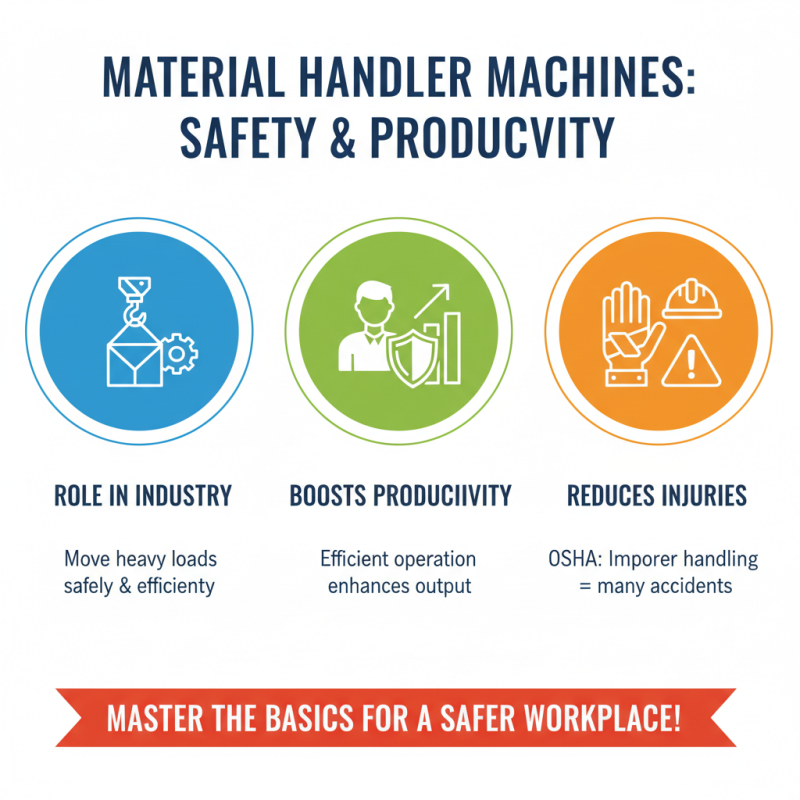
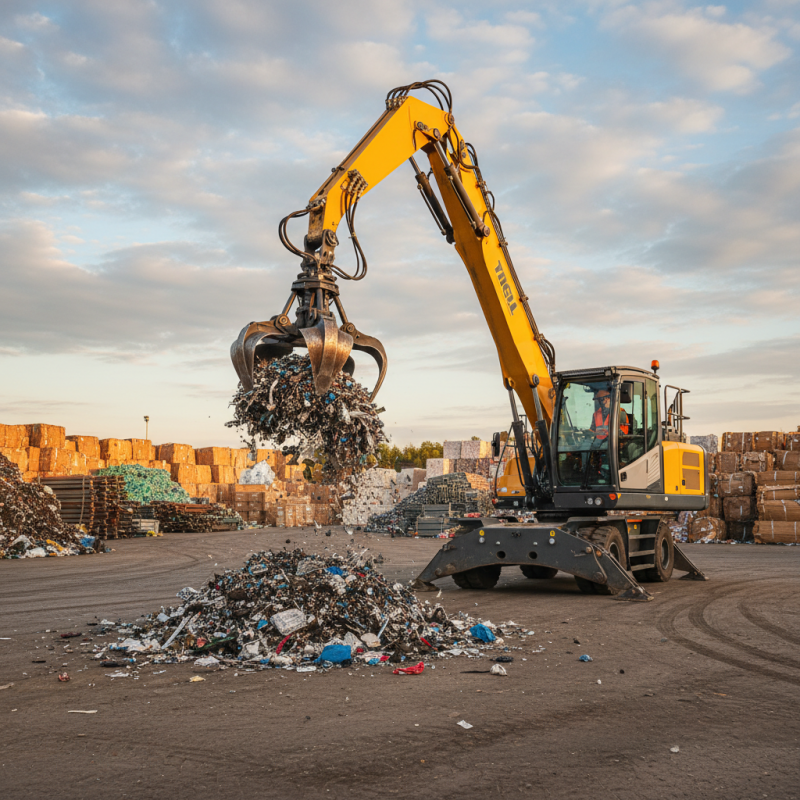
Material handler machines play a crucial role in various industries. They help in moving heavy loads safely and efficiently. Understanding how they operate can greatly enhance productivity. According to a report by the Occupational Safety and Health Administration (OSHA), improper handling of materials accounts for a significant number of workplace injuries. This highlights the importance of mastering the basics of these machines.
Tip: Always inspect your machine before use. Regular checks can prevent malfunctions. A well-maintained machine reduces downtime and increases safety. Training is essential. Ensure all operators are well-versed in safety protocols and operational procedures. Misunderstanding these can lead to accidents.
The American National Standards Institute (ANSI) emphasizes that educational programs enhance worker efficiency by at least 30%. Therefore, ongoing training is vital. Operators should refresh their knowledge periodically. It keeps them alert and minimizes risks. Additionally, understanding load limits is key. Overloading can lead to equipment failure or accidents. Always adhere to manufacturer specifications.
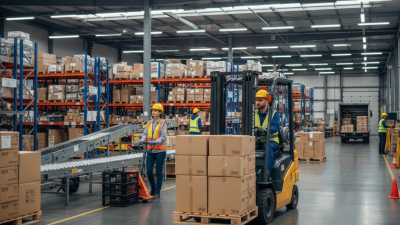
Tip: Communicate clearly with your team. A simple shout can prevent accidents. Ensure everyone knows the plan before moving any material. Remember, teamwork is crucial in a busy warehouse setting. Small lapses in communication can lead to serious issues. Adopting these practices can lead to a safer, more efficient work environment.
Safety Protocols for Operating Material Handlers
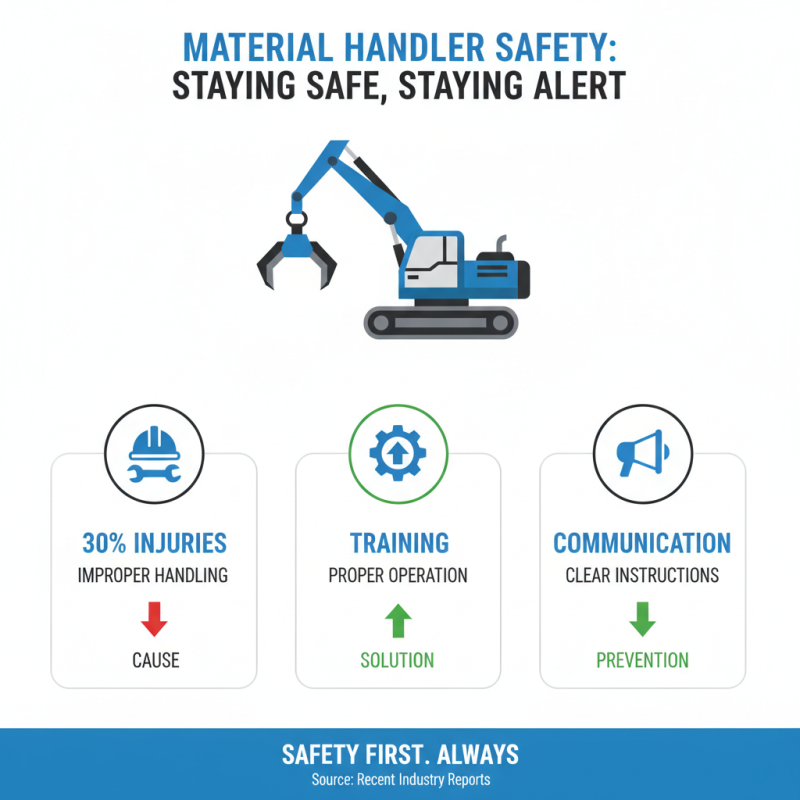
Operating a material handler machine requires strict adherence to safety protocols. According to recent industry reports, nearly 30% of workplace injuries can be attributed to improper handling techniques. Proper training and clear communication are crucial components of a safe work environment.
Establishing a robust safety protocol starts with routine equipment checks. This includes inspecting the forks, lift chains, and stabilizers for any damage. Operators should always wear appropriate safety gear, like helmets and gloves. Additionally, keeping the work area tidy is essential. A cluttered space can lead to accidents.
Another essential tip involves maintaining a safe distance from other workers. Studies show that around 40% of incidents occur due to proximity issues. Ensuring good visibility is vital. Operators should ideally have a clear line of sight when maneuvering the machine. Regular training sessions can make a significant difference. Operations must adapt as new equipment and techniques emerge. Reflecting on these aspects can lead to operational improvements.
Pre-Operational Checks for Optimal Performance
Pre-operational checks are vital for the efficient operation of
material handler machines. According to a study by the National Institute for Occupational Safety and Health, inadequate pre-check procedures can
lead to a 30% increase in accidents. This highlights the
importance of a thorough inspection before use. Operators should inspect the hydraulic systems, ensuring there
are no leaks. They must also check the controls for responsiveness. Missing these checks can result in malfunctions
during operation.
Proper monitoring of tire pressure is essential, as incorrect levels can reduce handling capacity. Factoring in
load limits is necessary; exceeding them can compromise stability. It's crucial to inspect safety features like
emergency stop buttons and alarms. Failure to ensure
these are functional can have severe consequences. A report by the Occupational Safety and Health Administration indicates that
20% of workplace injuries stem from equipment failure linked to
neglected pre-operational checks.
Operators often overlook checking the machine's visual indicators. These
can provide immediate insight into operational readiness. It's essential to assess the surrounding area for hazards.
A cluttered workspace increases the likelihood of accidents. Reflecting on these steps reveals a simple truth: a
short checklist can dramatically enhance safety and efficiency in material handling operations.
Techniques for Efficient Load Handling and Transport
Efficient load handling and transport are crucial for operating a material handler machine effectively. Proper positioning is key. Always align the load before lifting. This simple step reduces the risk of tipping over. Use the machine's controls smoothly. Abrupt movements can lead to imbalance. Slow and steady wins the race, especially when navigating tight spaces.
Communication among team members is vital. Make sure everyone knows the plan before moving heavy loads. Misunderstandings can cause accidents and slow down operations. Also, take time to inspect the load before transport. Check for loose items that could shift during movement. It’s these small oversights that can lead to larger issues.
Lastly, reflect on your technique regularly. Are you adhering to safety protocols? Are there areas to improve? Continuous learning and adaptation can enhance efficiency. There’s always room for growth, and recognizing where you can improve is a significant step toward excellence in material handling.
Maintaining Material Handler Machines for Longevity
Maintaining material handler machines is crucial for their longevity. Regular inspections can catch potential issues. Check hydraulic systems for leaks and wear. Clean the frames and components to prevent corrosion. A dirty machine is a less efficient machine. Neglect can lead to costly repairs.
Training operators on proper use is essential. Misuse can cause severe damage. It’s not just about moving materials; it’s about doing it effectively. Encourage operators to take breaks. Fatigue can lead to mistakes that strain the machine. Operators need to understand their equipment well.
Lubrication is often overlooked. Regularly grease moving parts to reduce friction. This small detail makes a big difference. Monitor usage hours and service the machine accordingly. Ignoring maintenance schedules creates future problems. Do not let costs dictate care. The longevity of your machine matters more than short-term savings.
Operational Efficiency of Material Handler Machines
This bar chart displays the operational efficiency of material handler machines based on various maintenance practices. The data reflects the improvement in efficiency when specific maintenance tips are regularly applied.