10 Essential Tips for Finding the Best Recycling Center Near You?
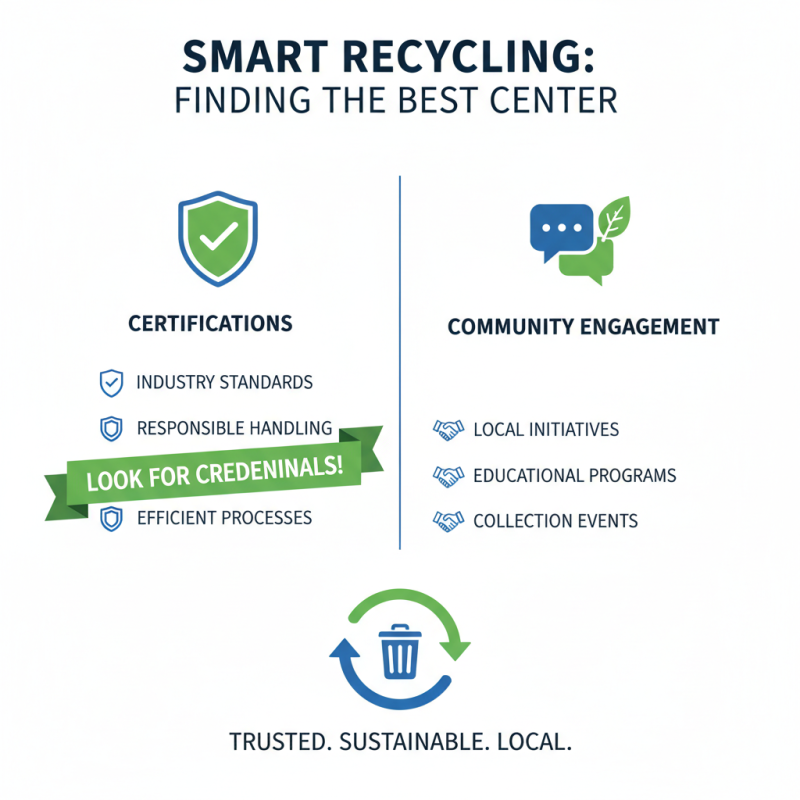
Finding the right Recycling Center can feel overwhelming. With so many options available, making an informed choice is essential. Industry expert Dr. Emily Green, a leading figure in sustainable waste management, states, “Choosing the right recycling center can significantly impact our environment.” This highlights the importance of understanding your local options.
Many people overlook key factors when selecting a Recycling Center. Proximity is often prioritized, yet service quality and material processing capabilities matter just as much. A closer facility might not recycle accurately or efficiently. Moreover, some centers only accept certain materials, which can limit your recycling efforts.
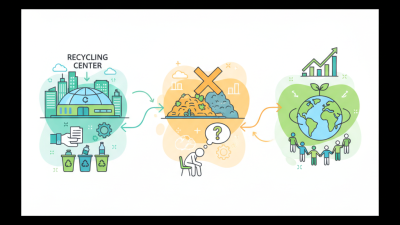
It’s vital to investigate and choose wisely. Not every Recycling Center offers the same level of service or environmental commitment. Some may lack transparency in their processes. Research can uncover the best fit for your needs. Reflect on your local centers. Are they empowering community recycling or just checking boxes? Making a proper choice benefits both you and the planet.
Researching Local Recycling Options and Resources
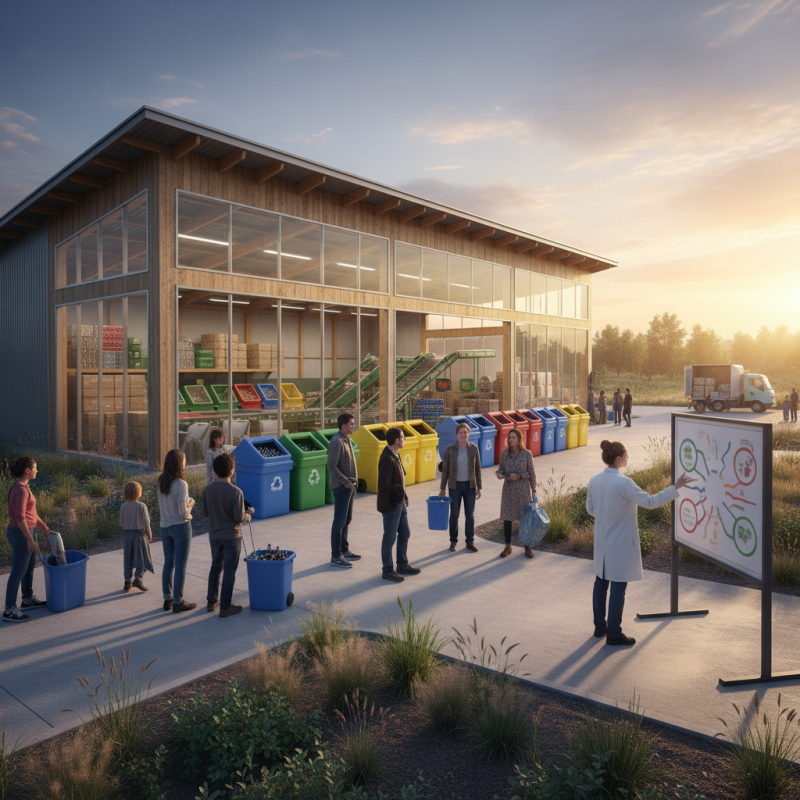
When searching for the best recycling center, local resources play a vital role. Understanding your community's recycling options can optimize your efforts and reduce waste effectively. According to the Environmental Protection Agency (EPA), recycling could divert 75% of waste from landfills. Yet, many still remain unaware of their local facilities.
Start by visiting your city’s official website. Look for a dedicated waste management section. This section usually provides details on nearby recycling centers, accepted materials, and unique services. Data shows only 34% of Americans recycle regularly. This statistic highlights a major gap. Many are unsure about what can be recycled. Clear communication from local centers can bridge that gap.
You can also explore community boards or social media groups. Often, residents share their experiences with various recycling facilities. Anecdotal evidence can reveal the pros and cons of each center. For example, some locations may have flexible hours or be more user-friendly. Connecting with others can expose hidden gems among local options. A simple search might lead you to a center with educational resources too.
Assessing the Types of Materials Accepted by Recycling Centers
When searching for a recycling center, it’s crucial to assess what materials they accept. Different centers specialize in various items. Some might take paper, glass, and metal, while others focus on electronic waste. This means a quick call can save you time. You might discover that a nearby center doesn't accept plastic bags, which many people mistakenly include in their recycling.
Not all centers have clear guidelines. Some lists might exclude important items, leading to confusion. For instance, cardboard can be accepted in one place but not another. It’s important to double-check and ensure you are recycling properly. Also, many centers may have restrictions on how clean the materials need to be. Sometimes a little leftover residue can disqualify your items.
Additionally, thinking about the environmental impact is essential. Not every recycling method is sustainable. Transfers and long-distance transportation can reduce the benefits. Some materials are better suited for local centers. Through careful evaluation, you can find a nearby recycling center that aligns with your eco-conscious goals. This small effort is a step toward responsible recycling practices.
Evaluating the Accessibility and Location of Recycling Facilities
When searching for a recycling center, location matters. It should be easy to access. Consider the distance from your home or workplace.
A center that's too far may discourage you from recycling. Check local maps or online resources to pinpoint options nearby. A well-situated facility can make recycling part of your routine.
Accessibility is also crucial. Look for centers with convenient hours. Some might only open during weekdays, which can be challenging. Also, consider if the site has adequate parking.
A busy street can make drop-off difficult.
Evaluating the overall experience at a recycling facility is important. You want it to be seamless and user-friendly.
If a recycling center requires extra effort, you might rethink your commitment to recycling.
It’s worth visiting a few different places to find the best fit for your needs.
Comparing Services and Fees of Nearby Recycling Centers
When searching for a recycling center, comparing services is crucial. A center's offerings can vary widely. Some may accept only certain materials. Others might provide additional services, like collection or sorting. It's essential to know what you can recycle. Check for details on accepted items. Many centers list this information online.
Fees are another important factor. Some centers charge for specific types of recycling, while others may be free. There could be hidden costs tied to processing certain materials. Contact centers directly to clarify any confusion. Negotiating fees might be possible, depending on the materials you have. Ask about discounts for bulk recycling, too.
Parking and accessibility also matter. A recycling center that's easy to reach can save time. If public transport is an option, factor this into your decision. It’s not uncommon for locations to limit hours or have inconvenient drop-off times. Make sure you’re clear on these details to avoid any surprises. A good recycling experience should not add stress to your day.
Recycling Center Services Comparison