10 Essential Tips for Choosing Demolition Attachments For Excavators
Choosing the right demolition attachments for excavators can be challenging. These tools play a crucial role in demolition projects. Selecting the wrong attachment could lead to inefficiencies and increased costs.
Every job demands specific equipment. You need attachments that match your project's scope and material types. Think about the weight, power, and compatibility of different tools. Some attachments work better for concrete, while others excel with metal structures. It's essential to consider your excavator's capabilities too.
Not all demolition attachments for excavators are created equal. You may find options that seem appealing but aren't suitable for your needs. Take time to research each attachment carefully. Read reviews, compare features, and consult experts if necessary. A well-informed choice can make a significant difference in job performance and success.
Understanding Different Types of Demolition Attachments for Excavators
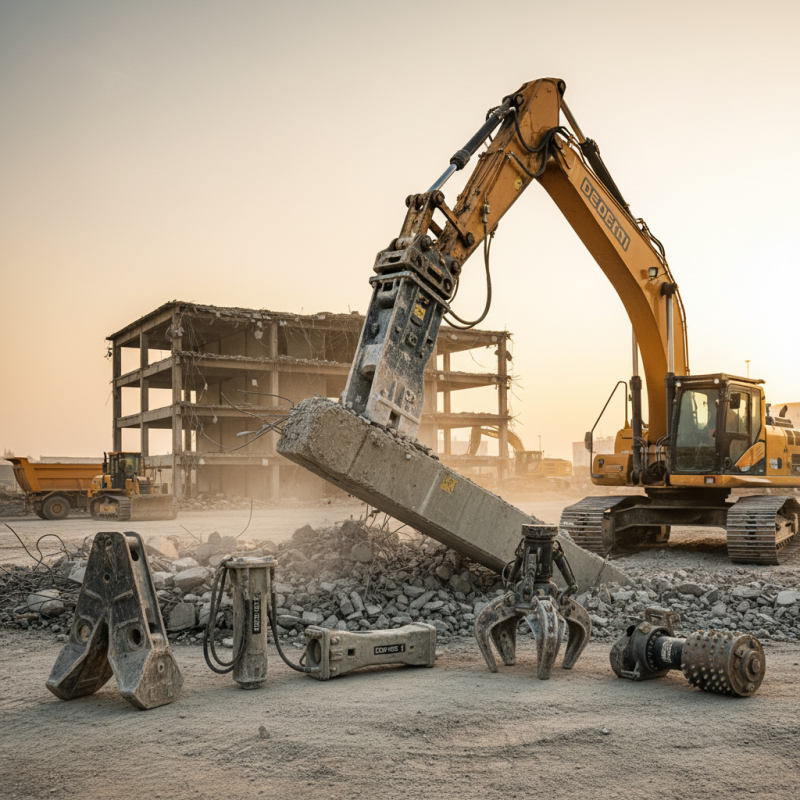
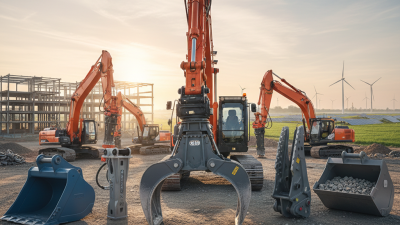
When selecting demolition attachments for excavators, understanding the types available is crucial. Each attachment serves a specific purpose. Common types include hydraulic hammers, crushers, and shears. Hydraulic hammers are ideal for breaking concrete. They deliver powerful strikes, making tough work easier. Crushers manage concrete debris, reducing it for easier disposal or recycling. Shears are used for cutting metal structures. These attachments enhance efficiency and can help you save time.
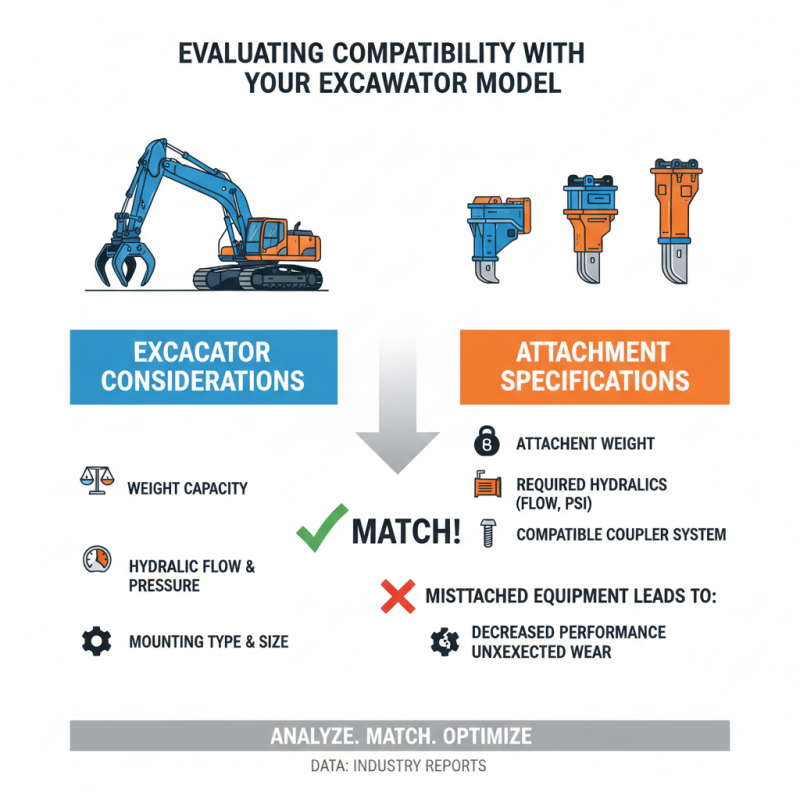
When choosing attachments, consider your project's needs. Weight and size are key factors. Ensure the attachment matches your excavator’s capacity. Mismatched equipment can lead to inefficiencies or even accidents. Always double-check compatibility.
A tip for selection: not all attachments perform well in every situation. Some attachments might excel in one area but fail in another. Evaluate your specific job requirements carefully. Each project is unique. Be open to learning from past experiences to make better choices. Remember, the right tool enhances productivity and safety on site.
Demolition Attachment Types for Excavators
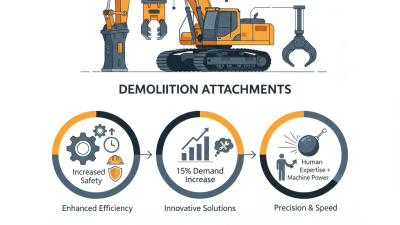
This chart illustrates the effectiveness of different types of demolition attachments for excavators based on common usage in construction projects.
Assessing Attachment Performance and Durability
When selecting demolition attachments for excavators, assessing attachment performance and durability is crucial. Performance determines how efficiently an attachment can break down structures. Durability indicates how long it will last under tough conditions. For instance, according to the International Construction and Demolition Association, high-quality attachments significantly reduce wear and tear. The right choice can save operators up to 20% in maintenance costs over time.
One important factor is the material used in construction. Harder materials like steel withstand more impact and resist bending. However, these can be heavier, affecting the excavator's maneuverability. It's a delicate balance between weight and strength. A performance report from a leading industry research firm indicated that attachments with a more extended lifespan lead to decreased downtime. Operators reported increased efficiency by up to 30% with robust attachments, but sometimes, overlooked details like regular inspections are crucial to maintain that performance.
Consider the conditions under which the attachment will operate. Some environments are harsher than others, particularly with excessive dust and moisture. These elements can affect durability. Operators must assess wear patterns closely. Ignoring these can lead to catastrophic failures, resulting in costly repairs. Performance isn't just about initial impressions; it often requires ongoing evaluation and adjustment to ensure the attachment performs optimally over its lifespan.
Considering Application-Specific Features and Benefits
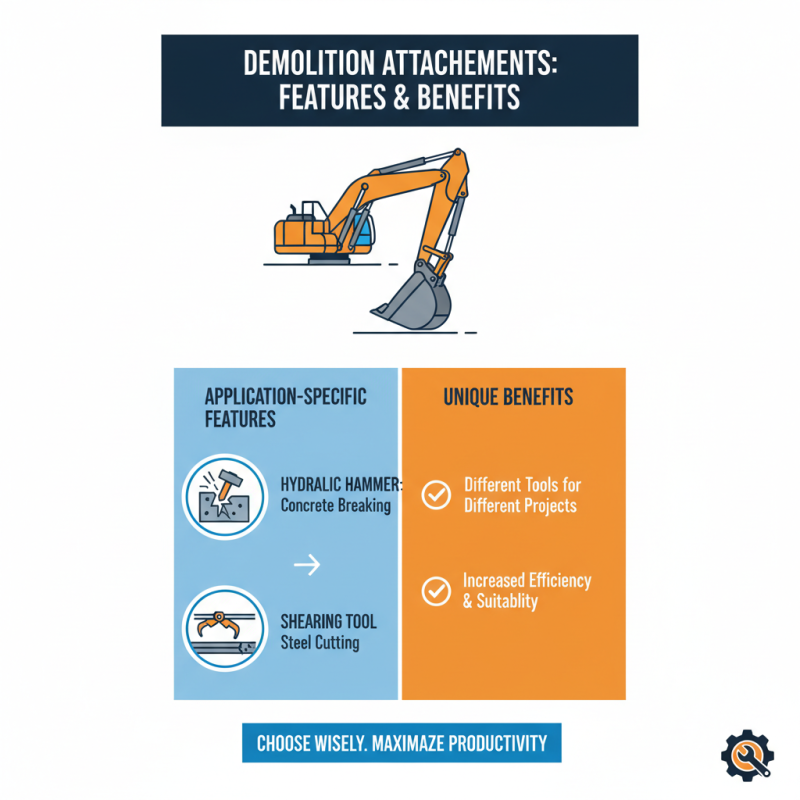
When selecting demolition attachments for excavators, it's crucial to consider application-specific features. Different projects demand different tools. For instance, a hydraulic hammer is effective for breaking concrete, while a shearing tool excels at cutting steel. Each attachment comes with unique advantages that suit various tasks, so understanding these benefits is essential.
Pay attention to weight and size, too. An attachment that’s too heavy for your machine may cause operational issues. Likewise, a poorly matched size can hinder performance and efficiency. Inspecting specifications carefully is a vital step that shouldn’t be overlooked. Each detail can significantly impact project outcomes, and ignoring them can lead to costly errors.
Evaluate your specific needs before making a choice. Field conditions may change, and versatility is often necessary. Having a single attachment for one job could be limiting. Explore options that provide multi-functional capabilities. This flexibility can lead to improved efficiency, though it may introduce complexities that require careful management. Balancing power and adaptability could yield better performance in the long run.
Budgeting for Demolition Attachments: Cost vs. Value
When budgeting for demolition attachments, it's essential to balance cost and value. Lower-priced attachments may seem appealing at first. However, they can lead to increased wear and tear. This often results in unexpected repair costs.
Investing in higher-quality attachments can save money in the long run. They tend to offer better performance and durability.
Consider the specific tasks your excavator will handle. In some cases, cheaper attachments might lack the power needed for tough jobs. This can slow down your projects and
increase labor costs. Furthermore, think about maintenance and replacement. An attachment requiring frequent repairs can quickly become a financial burden. Prioritizing quality over price can lead to better efficiency and productivity.
Evaluate your projects' demands carefully. Sometimes, the right choice isn't the most expensive one. It's essential to match the attachment's capabilities with your work requirements. A thoughtful approach can help avoid costly mistakes. Keep all these factors in mind when making your selections for attachments. Making informed choices will enhance your demolition operations.