Top 10 Essential Scrap Yard Equipment for Maximum Efficiency?
In the world of recycling and metal recovery, optimizing operations is crucial. According to Sarah Thompson, a leading expert in Scrap Yard Equipment, “Efficiency begins with the right tools.” Her insight highlights the importance of selecting appropriate equipment to streamline workflows.
Scrap yards face numerous challenges every day. From sorting materials to processing heavy metals, efficiency is vital. The right Scrap Yard Equipment not only minimizes labor but also maximizes output. Without effective machinery, operations can become slow and costly. This raises a question: are your tools up to the task?
Investing in essential equipment is not just a choice; it’s a necessity. As the industry evolves, so does the demand for better solutions. While some scrap yards might underutilize their resources, others stand testament to innovation. Finding the balance can lead to improved productivity and sustainability in the long run.
Essential Components of Scrap Yard Equipment
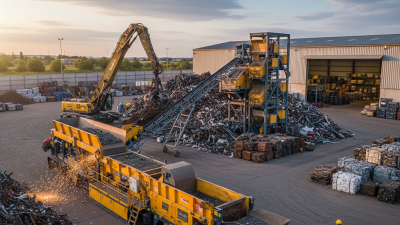
Scrap yards require specialized equipment to ensure efficient operations. At the heart of this equipment are essential components such as hydraulic shears and balers. Hydraulic shears help cut through tough metals, creating manageable pieces for processing. Balers condense scrap materials into compact bales, making transportation easier and maximizing storage space.
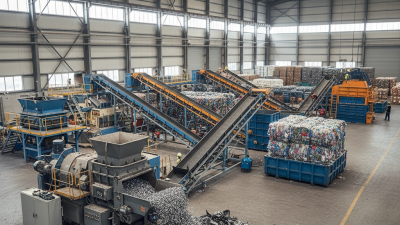
Another important component is the magnet for metal separation. These heavy-duty magnets quickly lift and separate ferrous metals from non-ferrous materials. This process prevents contamination and enhances recycling efforts. Additionally, conveyor belts are vital for moving scrap around the yard. They streamline workflow, reducing manual labor while increasing productivity.
Investing in the right technology is crucial for efficiency but can be a challenge. Not all equipment may suit every scrap yard’s needs. Regular maintenance is essential too; wear and tear on machines can lead to costly delays. It is important to continually assess the effectiveness of your setup to improve operations. Adapting to changes in scrap types and volumes ensures a scrap yard runs smoothly and efficiently.
Automated Machinery for Efficient Scrap Processing
In the realm of scrap processing, automated machinery stands as a beacon of efficiency. These innovations streamline operations. They reduce manual labor and minimize human error. For instance, conveyor belts transport heavy loads with ease. This not only saves time but also curtails workplace accidents. Automated shredders can reduce materials to manageable sizes quickly. This increases the processing speed significantly.
Robotic arms assist in sorting different materials. They follow pre-programmed guidelines, ensuring that each item is categorized correctly. This automation limits the risk of incorrect sorting. However, reliance on technology should be monitored. Even automated systems can malfunction or require regular maintenance. An occasional oversight can lead to operational disruptions, which may slow productivity.
Investing in automated machinery is a strategic move. Still, it is essential to blend technology with human oversight. Human operators can identify issues that machines might miss. Periodic training for staff ensures that everyone is adept at using the machines. This combination of automation and skilled labor can maximize efficiency in scrap processing.
Top 10 Essential Scrap Yard Equipment for Maximum Efficiency
Safety Gear and Protocols for Operational Efficiency
In the scrap yard industry, safety gear and protocols are crucial for maintaining operational efficiency. The U.S. Bureau of Labor Statistics reports that nearly 40% of workplace injuries can be traced back to improper equipment use. This highlights the need for thorough training in safety procedures alongside appropriate protective gear. Essential items include hard hats, steel-toed boots, gloves, and high-visibility vests. These prevent injuries while working with heavy machinery and potential hazards in scrap yards.
Moreover, the implementation of strict safety protocols is equally important. Regular safety audits and employee training sessions can significantly reduce the likelihood of accidents. A study by the National Safety Council found that organizations with comprehensive safety training programs see a reduction in workplace injuries by up to 50%. This creates a culture of safety that not only protects employees but also contributes to better operational efficiency.
However, challenges remain. Many scrap yard managers overlook the importance of updating safety protocols regularly. This can lead to outdated practices that increase risks. Continuous assessment and modernization of safety procedures can ensure that workers remain protected. Prioritizing safety is not just compliant; it's essential for a thriving work environment. Understanding and investing in safety measures ultimately leads to a more efficient and productive operation.
Waste Management Solutions in Scrap Yards
Effective waste management solutions are crucial in scrap yards. Efficient operations minimize environmental impact while maximizing resource recovery. Understanding the importance of proper equipment can reshape how scrap yards function.
A variety of equipment plays a role in managing waste effectively. For instance, material shredders can breakdown larger items into manageable pieces. This not only speeds up processing but also allows for better sorting. Additionally, balers compress materials, reducing space and making transportation more efficient. Each piece of equipment must be maintained regularly to ensure optimal performance.
However, challenges often arise. Training staff on new technologies can be time-consuming. There may also be resistance to change from traditional methods. Addressing these concerns is essential for improving efficiency. Implementing a structured training program can bridge the gap between existing practices and modern techniques. In the end, adapting waste management solutions in scrap yards involves ongoing learning and improvements.
Maintenance Practices for Optimal Equipment Performance
Maintaining scrap yard equipment is crucial for ensuring maximum efficiency. Regular inspections should be a priority. Checking for wear and tear can prevent costly breakdowns. It is essential to keep all parts well-lubricated to ensure seamless operation. Equipment should be operated within recommended limits. Overloading can lead to premature failure.
Routine maintenance tasks include cleaning filters and replacing hydraulic fluids. Dirt accumulation can hinder performance. Operators should also be trained to identify early warning signs of malfunction. For example, unusual noises or vibrations may indicate an underlying issue.
Establishing a maintenance schedule is beneficial. This structure helps avoid unexpected downtime. Documenting maintenance activities creates a reliable history. Understanding how each piece of equipment operates fosters better handling. Systematic checks can extend the lifespan of your tools. Taking proactive measures contributes to a safer and more efficient work environment.
Top 10 Essential Scrap Yard Equipment for Maximum Efficiency
| Equipment |
Function |
Maintenance Frequency |
Optimal Performance Tips |
| Forklift |
Material handling and lifting |
Daily |
Regularly check fluid levels and perform pre-operation inspections |
| Magnet Crane |
Metal sorting and lifting |
Weekly |
Inspect electrical connections and test magnet strength |
| Balers |
Compacting scrap materials |
Monthly |
Keep hydraulic system clean and maintain proper bale size |
| Shredders |
Reducing material size |
Every 6 months |
Monitor blade condition and ensure proper lubrication |
| Container Trucks |
Transporting scrap materials |
Monthly |
Check tire condition and perform regular engine maintenance |
| Safety Gear |
Personal protection |
As needed |
Regularly inspect for wear and replace as necessary |
| Dust Collectors |
Air quality control |
Quarterly |
Clean filters and inspect the system for leaks |
| Welding Equipment |
Metal fabrication |
After every project |
Check gas levels and clean tips regularly |
| Mobile Crushers |
On-site crushing of materials |
Monthly |
Monitor wear parts and ensure proper alignment |
| Compressors |
Providing pneumatic power |
Every 3 months |
Check air filter condition and drain moisture regularly |