Top Scrap Metal Tips You Need to Know Today?
In recent years, the recycling of scrap metal has gained significant attention. According to industry reports, the global scrap metal recycling market is projected to reach $140 billion by 2025. This growth is driven by the increasing need for sustainable materials and reducing waste. Scrap metal plays a vital role in conserving resources and lowering carbon emissions.
Understanding the intricacies of scrap metal is essential. Different types of metals, like aluminum, copper, and steel, have varying values. The fluctuating prices often depend on global market demand and supply chains. For instance, scrap aluminum can fetch up to $0.90 per pound, while copper may exceed $3.00. This highlights the potential profit in recycling.
However, it’s crucial to approach scrap metal recycling with care. Many individuals underestimate the complexity of sorting and transporting these materials. Mishandling can lead to errors, loss of value, and potential safety hazards. Investing time to understand the market adds value and can prevent costly mistakes. As this industry evolves, staying informed is the key to maximizing returns on scrap metal.
Understanding Scrap Metal: Types and Their Value
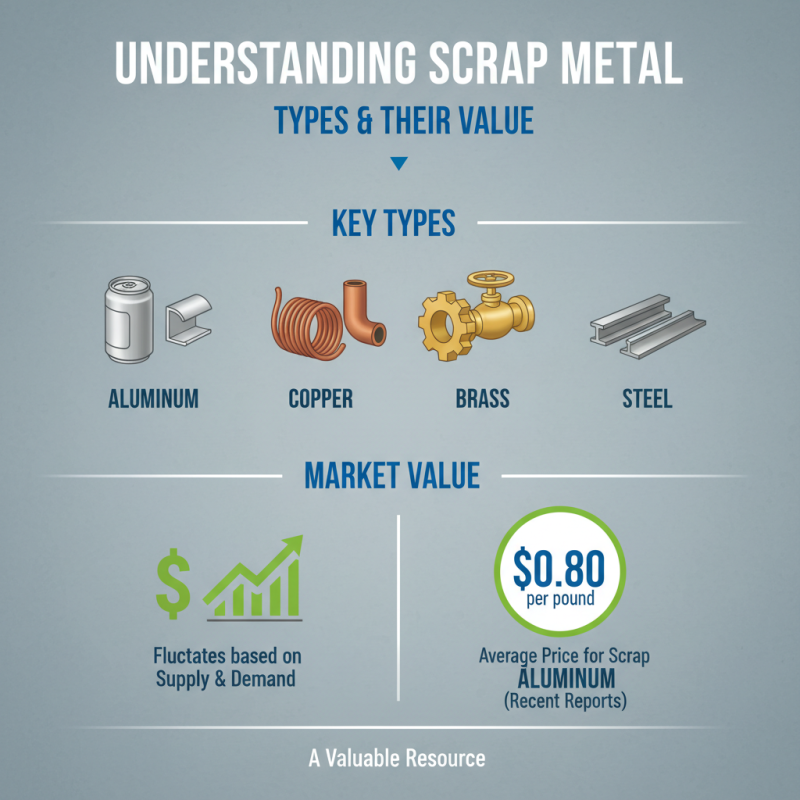
Scrap metal is a valuable resource. It comes in various types, each with unique characteristics and worth. Aluminum, copper, brass, and steel dominate the market. According to recent industry reports, the average price for scrap aluminum is around $0.80 per pound. This number fluctuates based on supply and demand.
Copper presents a lucrative opportunity. Its value can reach up to $4.00 per pound. This metal is widely used in electrical wiring and plumbing. However, it is important to consider market trends. A 2022 report indicated a 15% decrease in copper prices over the first half of the year. This reveals the necessity of staying informed.
Brass, often found in fixtures, is also significant. It typically sells for about $2.00 per pound. Its value is affected by its alloy composition. Many may overlook the importance of sorting their scrap metal. Proper categorization can enhance profits. Unfortunately, some individuals do not realize this simple strategy.
Essential Tools for Effective Scrap Metal Collection
When collecting scrap metal, having the right tools makes all the difference. Essential tools include gloves, a magnet, and a sturdy container. Gloves protect your hands from sharp edges and debris. A magnet helps you quickly sort ferrous from non-ferrous metals. A solid container keeps your collected metal organized and safe.
Consider using a metal detector as well. It's not just fun; it’s efficient. You can uncover hidden treasures in old yards or abandoned buildings. Always be prepared for unexpected finds. Sometimes, the most valuable pieces are not what you expect.
Keep your work area clean. Remove hazards to avoid injuries. Disorganization can lead to mistakes, and safety should be your top priority. Take your time when sorting metals. Rushing increases the chances of missing valuable items or causing accidents. Remember, scrap collection can be rewarding, but it’s also a responsibility.
Top Scrap Metal Tips You Need to Know Today? - Essential Tools for Effective Scrap Metal Collection
| Tip |
Essential Tool |
Usage |
Safety Precautions |
| Sort metals by type |
Magnetic Separator |
To separate ferrous and non-ferrous metals |
Wear gloves while handling |
| Weigh your scrap |
Digital Scale |
To determine the weight for pricing |
Ensure the scale is calibrated |
| Clean your scrap |
Wire Brush |
Remove rust and contaminants |
Use protective eyewear |
| Estimate scrap value |
Price Guide |
Research current market prices |
Always check multiple sources |
| Transport safely |
Heavy-Duty Gloves |
For handling bulk scrap |
Ensure proper lifting techniques |
Best Practices for Sorting and Storing Scrap Metal
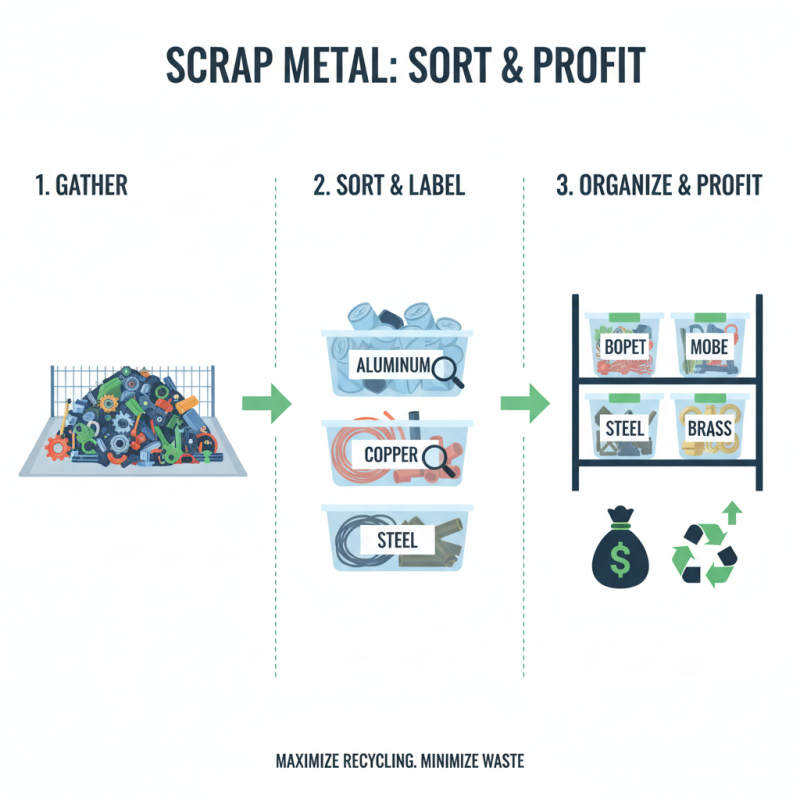
Sorting and storing scrap metal effectively can maximize profits and minimize waste. Start by gathering all your scrap metal in one area. Use clear bins and labels to distinguish between types: aluminum, copper, steel, and brass. It may seem tedious, but proper labeling simplifies the recycling process later. A quick glance should inform you about the contents.
When storing, ensure your area is clean and organized. Using shelves can help keep different types separate. Avoid stacking metal directly on the ground; this can lead to rust and deterioration. Tossing everything into one bin may seem efficient, but it complicates selling later. Reflecting on your organization methods can lead to better outcomes. Are your materials rusting? Are you losing money because of poor storage? Adjustments will lead to better recycling practices.
Common Mistakes to Avoid When Selling Scrap Metal
Selling scrap metal can be lucrative, but many sellers make crucial mistakes. A common error is failing to sort materials properly. Mixing metals like copper, aluminum, and steel can reduce the overall value. Data shows that sorted metals can fetch up to 50% more than mixed loads. Buyers value clean, separated materials. Don’t overlook this step if you want higher returns.
Another mistake is underestimating the importance of market research. Prices fluctuate often. According to the Institute of Scrap Recycling Industries (ISRI), market trends can shift based on global demand. Check daily price reports. Some sellers assume they know the market but miss significant price changes. Not being informed can lead to losses.
Additionally, neglecting to clean your scrap metal is unwise. Residue can lower its value. Rusty or dirty items are less appealing. A clean scrap load can be 30% more valuable. It’s a simple, yet overlooked detail. Attention to these aspects can lead to much better outcomes. Focus on sorting, research, and cleaning to maximize your profits.
How to Find Local Scrap Metal Buyers and Rates
When looking to sell your scrap metal, finding local buyers is crucial. Start by exploring online platforms. Websites dedicated to recycling can connect you to local buyers quickly. These platforms often list current rates, which can help you gauge the market.
Local scrap yards can be invaluable resources. Visit a few yards to get a sense of their operating hours and policies. Some yards might pay better than others. Keep in mind that prices fluctuate. Factors like demand and metal type affect payment. It's wise to call ahead to ask about rates. You might find that some metal types are excluded or limited.
Networking can lead to additional opportunities. Talk to friends or family involved in construction or manufacturing. They might know buyers looking for scrap metal. Additionally, local community groups or forums may provide leads. Remember, the negotiation process can be an art. Don’t be afraid to ask about better rates, but also be respectful. Sometimes, a polite conversation can yield better offers, while a hard approach may not.