What is Demolition Attachments and How to Choose Them?
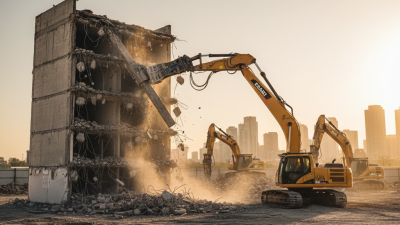
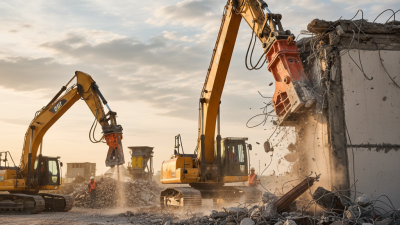
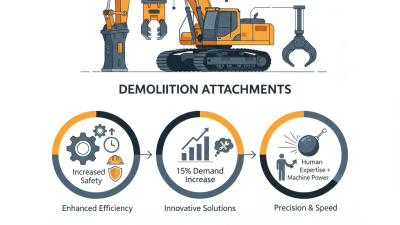
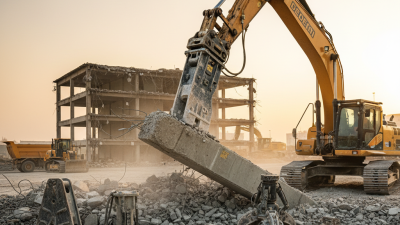
Demolition attachments play a crucial role in construction and renovation projects. These specialized tools enhance the efficiency of breaking down structures. As demolition projects become more complex, selecting the right attachments is vital.
When considering demolition attachments, various factors come into play. Types of projects, equipment compatibility, and attachment specifications must be evaluated. Different attachments serve unique functions. For example, grapples are excellent for handling materials, while hydraulic shears excel at cutting. It’s essential to assess if these tools meet the project’s requirements.
Choosing the right demolition attachments ensures safety and productivity. An improper selection can lead to delays and increased costs. Balancing functionality and efficiency often requires expert guidance. While many options are available, having a strategic approach can make a significant difference in outcomes. Understanding the unique demands of your project may involve some trial and error.
Understanding Demolition Attachments and Their Purpose
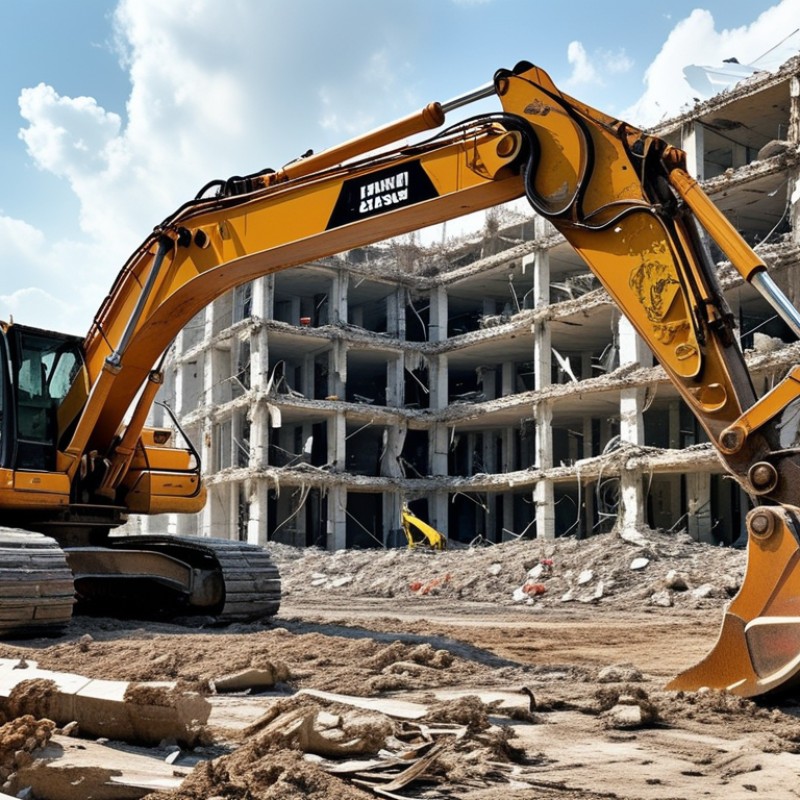
Demolition attachments are essential tools designed for dismantling structures efficiently. They include various implements like hydraulic shears, grapple buckets, and concrete crushers. Each attachment serves a unique purpose, enhancing productivity and safety on the demolition site. Choosing the right attachment depends on the specific materials and conditions of the project.
Understanding the purpose of each tool is crucial. Hydraulic shears, for instance, excel in cutting metal and heavy materials. Grapple buckets are perfect for handling debris and moving large chunks. Concrete crushers help in recycling old materials. However, using incorrect attachments can lead to inefficiencies and potential hazards. Misjudgment in selection may not only slow down work but increase safety risks.
Before making a decision, assess your project's needs and the materials involved. Engage with experienced professionals for insights. Evaluate your machinery compatibility as well; it can affect performance. Remember, not every attachment will fit all tasks. Prioritizing safety and efficiency will enhance your demolition processes.
Types of Demolition Attachments Available in the Market
Demolition attachments are essential tools for construction and demolition projects. They enhance efficiency and safety. Choosing the right attachment can be tricky. Various types are available in the market, each serving unique functions.
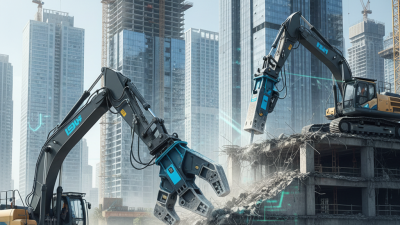
One popular category includes hydraulic shears. These tools cut through reinforced steel with precision. They are ideal for efficiently dismantling steel structures. Another common option is the concrete crusher. This attachment crushes concrete into manageable pieces for recycling. Both types help streamline the demolition process.
Tips: Always consider the size of your machine. Ensure compatibility to maximize efficiency. Check the weight limits on your rig before purchasing attachments. It's crucial to evaluate your project requirements. This can save time and costs in the long run. Don't be afraid to ask for expert advice to navigate your specific needs.
Factors to Consider When Choosing Demolition Attachments
Selecting the right demolition attachments can significantly impact project efficiency and safety. When choosing these tools, consider the material you will work with. Concrete, metal, or wood requires different attachment types. A recent industry report highlighted that using the correct attachment can increase productivity by up to 30%. Understanding the specific application is crucial.
Another vital factor is the compatibility with your machinery. Attachments should match the weight and power of the equipment. A mismatch can lead to poor performance or safety risks. An analysis from a construction safety organization noted that improper attachment choice resulted in 25% of job site injuries. Therefore, researching and consulting with experts is essential.
Maintenance and durability also deserve attention. Some attachments wear out quickly, leading to increased costs and downtime. Regular maintenance can extend the lifespan of these tools, but not all users prioritize this. In fact, a survey found that 40% of contractors neglect attachment upkeep. This oversight can create costly delays. Investing in quality attachments that suit your needs is critical for long-term success.
Applications of Demolition Attachments in Various Industries
Demolition attachments play a crucial role in various industries. They are specially designed tools that enhance the efficiency of demolition tasks. Construction sites often utilize these attachments to quickly break down structures. In recycling industries, they help dismantle buildings for material recovery. These attachments enable workers to handle heavy materials with ease, ensuring safety and speed.
In the waste management sector, demolition attachments are vital for tearing down old facilities. Operators can clear debris effectively, opening up space for new projects. Excavation businesses benefit from these tools too. They simplify the process of excavating or reshaping the land. In all these applications, choosing the right attachment can make a significant difference in productivity.
Consider the specific requirements of your project. Not all attachments suit every task or environment. Examining material type and structure dimensions is essential. Each job may demand a different angle of approach. The choice of attachment can sometimes be trial and error. Reflecting on past experiences may guide better decisions. Being aware of limitations and capabilities is key to optimizing demolition efforts.
What is Demolition Attachments and How to Choose Them? - Applications of Demolition Attachments in Various Industries
| Attachment Type |
Key Applications |
Industry |
Advantages |
| Concrete Breaker |
Breaking concrete structures |
Construction |
High impact force; efficient |
| Hydraulic Shears |
Cutting metal structures |
Recycling |
Precise cuts; minimal waste |
| Demolition Grapple |
Sorting and handling debris |
Waste Management |
Versatile; improves safety |
| Bucket Attachments |
Excavation and removal |
General Construction |
Efficient material handling |
| Pulverizer |
Pulverizing concrete and structural blocks |
Demolition |
Efficient material reduction |
Maintenance Tips for Maximizing Demolition Attachments Performance
Demolition attachments are powerful tools that enhance the efficiency of construction projects. Proper maintenance is vital for their performance. Begin with regular inspections. Check for any wear or damage. Look for cracks or chips that could affect functionality. Maintaining sharp edges is essential. Dull blades can lead to inefficient cutting or increased wear.
Lubrication is another key factor. Ensure all moving parts are well-greased. This reduces friction and prolongs the life of the attachment. Keep the hydraulic system clean to prevent clogs. Neglecting this can lead to costly repairs. Remember to monitor the attachment’s performance during use. If you notice abnormal sounds or vibrations, stop immediately and investigate.
Training is crucial for operators. They should understand the specific requirements of each attachment. Incorrect usage can lead to rapid wear. Regular training sessions can help. Encourage operators to provide feedback on performance. They often notice issues before maintenance is due. This proactive approach can save time and money in the long run.