How to Choose the Best Scrap Recycling Equipment for Your Needs?
Choosing the right Scrap Recycling Equipment is crucial for maximizing efficiency in waste management. According to the latest industry reports, the global recycling equipment market is projected to reach $19 billion by 2025. This growth reflects the increasing importance of sustainable practices in various sectors. Many businesses struggle to select equipment that meets their specific needs, which can lead to inefficient operations.
Understanding your requirements is essential. Different types of scrap materials require unique handling processes. For instance, metal scrap requires shredders and balers tailored for metal. Plastic recycling equipment focuses on granulators and washing lines. It is important to research those options carefully. A reliable supplier can provide insights into the best technologies available.
In this rapidly evolving industry, it’s also vital to remain informed about advancements. Continuous improvements in equipment technology can enhance productivity and reduce costs. Some businesses may overlook the importance of investing in high-quality equipment. This can impede their recycling efforts. Ultimately, investing in the right Scrap Recycling Equipment can lead to significant long-term gains, both economically and environmentally.
Identify Your Scrap Recycling Requirements and Goals
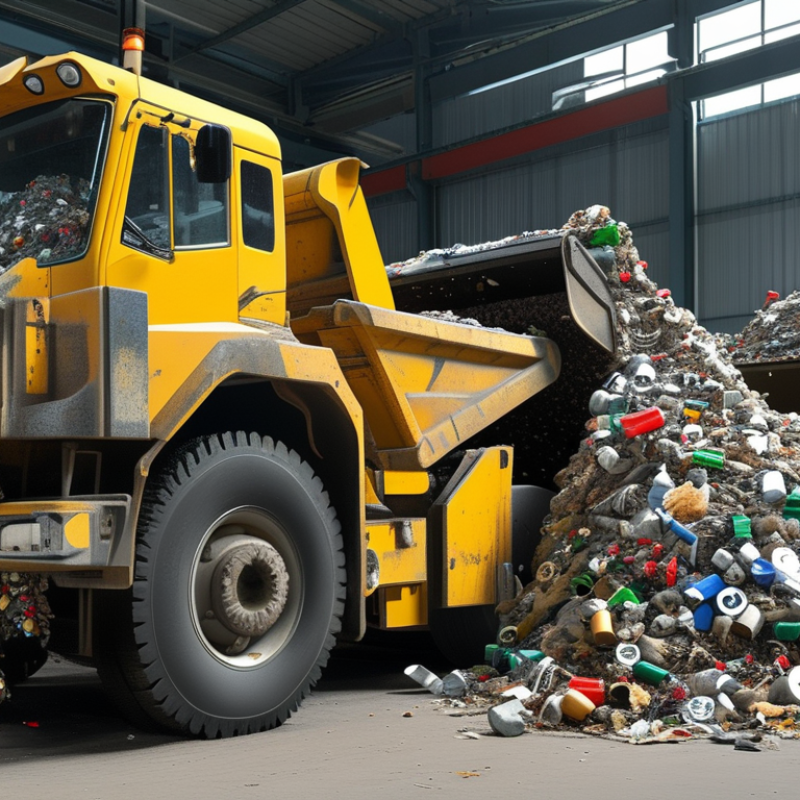
Understanding your scrap recycling requirements is crucial for selecting the right equipment. Start by assessing the materials you will be recycling. Different materials, like metals, plastics, and paper, have unique processing needs. For instance, the Institute of Scrap Recycling Industries (ISRI) reports that metal recycling can increase energy efficiency by 90% compared to virgin material production. Identify your main materials to prioritize equipment that effectively handles them.
Next, define your recycling goals. Are you aiming for high volume, quality, or both? Establishing clear objectives helps in selecting machinery that aligns with your production capabilities. According to a recent study by Research and Markets, the global recycling equipment market is expected to reach $11.4 billion by 2026, emphasizing the industry's growth. This trend indicates a need for businesses to invest in technology that maximizes output and efficiency.
Consider your space and budget constraints too. The dimensions and specifications of your facility will influence equipment choices. Some businesses opt for modular units to save space but may sacrifice output. Balancing these factors requires careful measurement and evaluation. Regularly revisiting your equipment needs can ensure you remain competitive as recycling technologies evolve.
Evaluate Different Types of Scrap Recycling Equipment Available
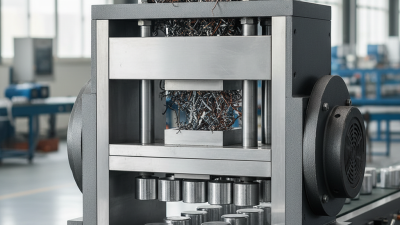
When choosing scrap recycling equipment, it’s essential to evaluate the options available. Various types exist, each serving different purposes. For instance, shredders efficiently break down large materials into manageable pieces. These machines are vital for processing metals, plastics, and more.
Baler machines play a crucial role in compacting scrap materials for easy storage. They help optimize space and streamline the recycling process. For those handling electronic waste, specialized equipment is necessary to safely dismantle and recycle components. Understanding the specific needs of your operation will guide your choice.
It’s important to consider your workflow and the types of scrap you’ll handle. Assessing capacity, ease of use, and maintenance needs can reveal potential challenges. Moreover, being aware of energy consumption is critical. These factors ensure a better fit for your recycling goals. Don't rush the decision; take the time to reflect on your unique requirements.
Consider Key Features and Specifications for Equipment Selection
Choosing the right scrap recycling equipment requires careful consideration of key features. Look for durability and efficiency. High-quality materials can enhance the lifespan of the machinery. However, don’t overlook maintenance costs. Some equipment may be cheaper initially but costly to maintain.
Pay attention to the specifications. Capacity is crucial; it needs to match your recycling volume. Check the speed and performance ratings to ensure they meet your operational needs. Keep an eye on energy consumption too. Efficient machines can save on costs over time but may have a higher upfront price.
Consider your space limitations. Some models may be compact but lack power. Others might be robust but require ample space. Assess your specific requirements. It’s important to balance power with size. Also, think about technology. Advanced features can improve efficiency but may add complexity. Reflect on what works best for your operations. Always weigh your options before making a decision.
Assess the Reputation and Reliability of Equipment Manufacturers
When choosing scrap recycling equipment, the reputation and reliability of manufacturers play a crucial role. Research is essential. Look into the history of different manufacturers. Check online reviews and testimonials. Engaging with other businesses in the field can provide valuable insights. A trustworthy manufacturer often has years of experience in the industry.
Pay attention to customer service as well. A manufacturer’s responsiveness can indicate their reliability. Poor communication could mean more significant issues down the line. Ask questions about warranties, parts availability, and maintenance services. Reliable manufacturers often have transparent policies.
Consider certifications and standards in the industry too. Equipment that meets specific safety and performance standards is more likely to be dependable. A manufacturer that adheres to these standards shows commitment to quality. Take your time during this evaluation. Choosing the right equipment can impact your recycling efficiency and long-term success.
Scrap Recycling Equipment Performance Evaluation
This chart illustrates the evaluation of various criteria when choosing scrap recycling equipment. The ratings reflect aspects such as durability, efficiency, cost-effectiveness, maintenance, and technology used in the equipment.
Explore Budget Constraints and Return on Investment for Equipment Purchases
When considering scrap recycling equipment, budget constraints play a vital role. It's essential to assess your financial limits before making a purchase. Equipment costs can vary significantly. Low-cost options might compromise efficiency. Investing in quality machines can lead to better outcomes. Analyze your budget carefully to avoid overspending on machinery that doesn’t meet your recycling needs.
Return on investment (ROI) is another critical aspect. Calculate potential profits generated by the equipment. Calculate the time it will take for the equipment to pay for itself. A higher initial cost can sometimes lead to lower operational costs. This translates to increased savings over time. Engaging with industry experts can provide insights into realistic ROI expectations. Make sure you explore long-term benefits rather than just immediate savings, as this can prevent future regret.
How to Choose the Best Scrap Recycling Equipment for Your Needs?
| Equipment Type |
Cost Range (USD) |
Estimated Lifespan (Years) |
Annual Maintenance Cost (USD) |
Return on Investment (Years) |
| Baler |
$30,000 - $100,000 |
10 |
$2,500 |
3 - 4 |
| Shredder |
$50,000 - $150,000 |
12 |
$5,000 |
4 - 5 |
| Granulator |
$20,000 - $60,000 |
8 |
$1,500 |
3 - 5 |
| Compactor |
$10,000 - $50,000 |
5 |
$1,000 |
2 - 3 |
| Conveyor System |
$15,000 - $70,000 |
10 |
$3,000 |
3 - 4 |